




MUSCAT, JUNE 29
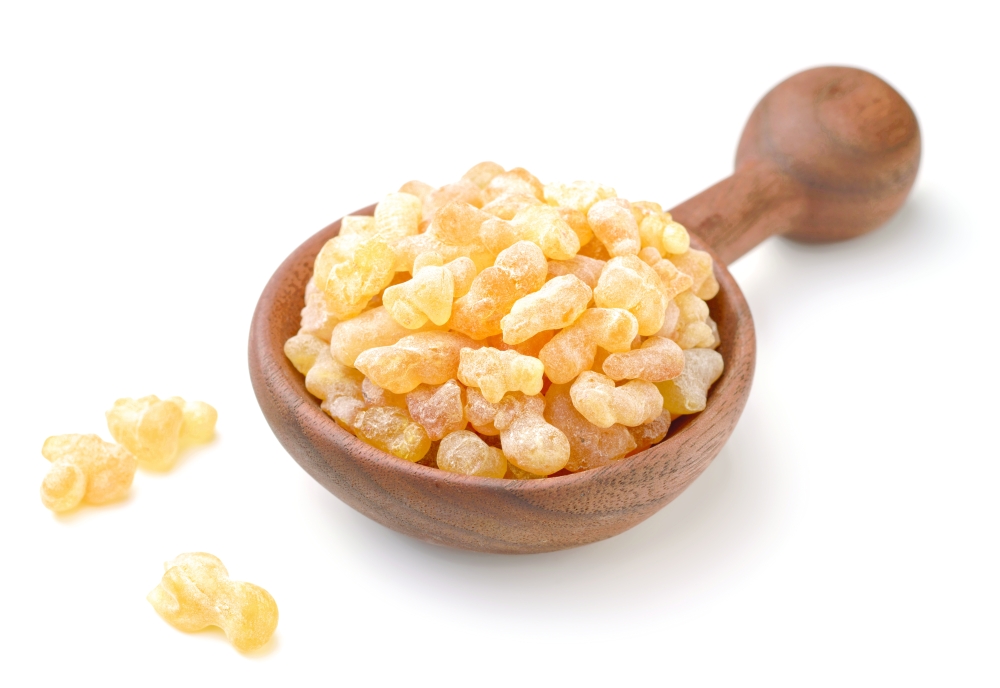
For centuries, frankincense connected Dhofar to the world. Today, Amouage wants to turn that inheritance into a modern business model built on traceability, sustainability and premium global demand.
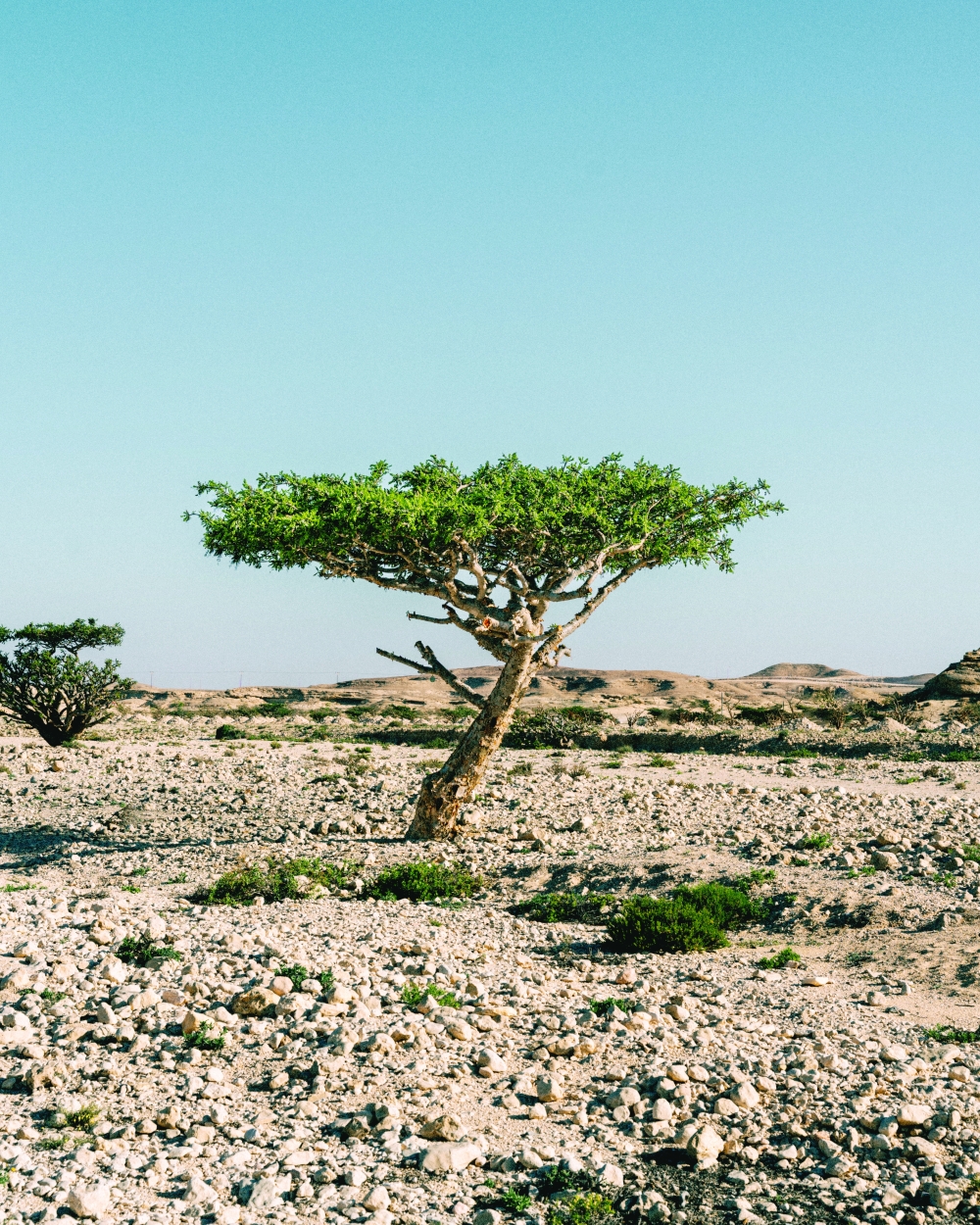
At Wadi Dawkah, one of the key sites within Oman’s UNESCO-listed Land of Frankincense, the Omani High Perfumery House has spent the past three and a half years developing what it describes as a globally unique sourcing methodology for frankincense.
The aim is not simply to harvest resin. It is to create a full value chain around Omani frankincense — from tree to bottle — that can meet international expectations for ethical sourcing, environmental protection and transparency.
“What we need to do now is implement the same methodology at scale to produce tonnes of Omani frankincense,” said Matthew Wright, Director of Natural Ingredient Platforms at Amouage SAOC.
“That is so Oman can significantly increase its market share of the international frankincense market. By providing a unique methodology and a unique product — Boswellia sacra with a distinct olfactive signature — we think we can create global demand for it.”
The business significance lies in the shift from a heritage commodity to a certified luxury ingredient. Frankincense has long been central to Oman’s cultural identity, religious practice and trade history. But in global markets, the challenge is no longer only supply. It is proof: where the resin came from, how it was harvested, who benefited, and whether the trees and the surrounding ecosystem were protected.
That is where Amouage is positioning Wadi Dawkah as a reference site.
The company’s approach comes at a time when luxury consumers and international fragrance houses are under growing pressure to prove the origin and environmental credentials of natural ingredients. For Oman, this offers a potential route to capture more value from one of its most recognisable natural assets, rather than allowing frankincense to remain a low-margin raw material.
Wright said Wadi Dawkah had provided the base for a sourcing model that could now be tested elsewhere in Dhofar. One of those sites is Wadi Gazelle, which he said covers about 1,500 acres, or six square kilometres.
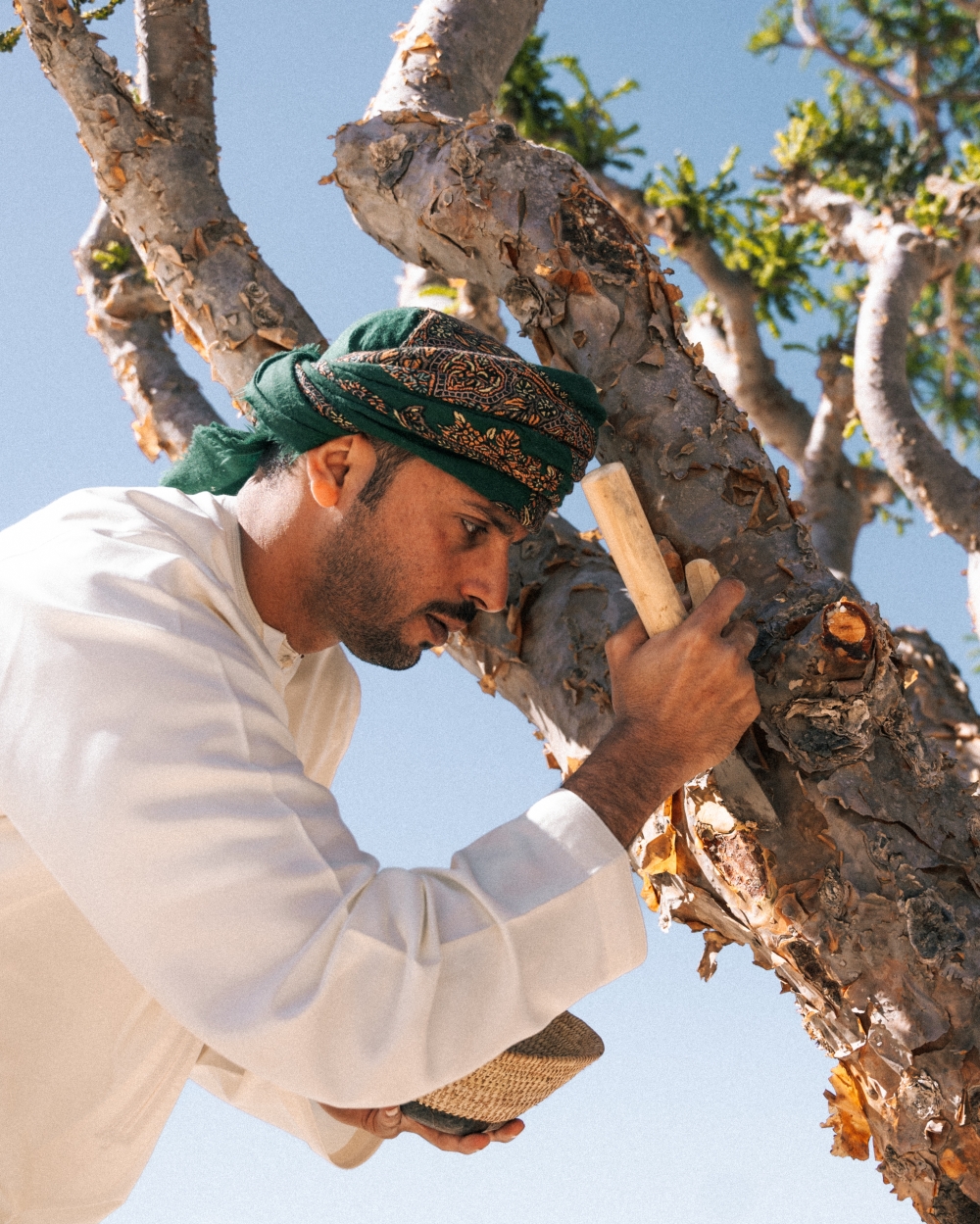
“We have already set up a working camp, employed seven people, trained seven more, and have started harvesting,” he said.
The Wadi Gazelle work is being treated as a pilot. The question, Wright said, is whether a new generation of Omanis can sustainably harvest larger quantities of frankincense in difficult terrain.
“I am very optimistic that they can,” he said. “If they can, and if it succeeds over the next 18 months, there is nothing to stop further expansion.”
That expansion would mean creating a network of wild harvesting sites that follow international standards, with frankincense then distilled at Wadi Dawkah to produce high-quality frankincense oil.
For Oman, the economic opportunity is wider than Amouage alone. A scalable model could support rural employment, strengthen local skills, protect biodiversity, enhance heritage tourism and build a stronger Omani presence in the global natural ingredients market.
It also fits a broader national direction. Oman Vision 2040 places emphasis on diversification, sustainability and higher-value economic activity. Frankincense, if developed carefully, sits at the intersection of all three.
But the model will need discipline. Dhofar’s frankincense trees are not just a commercial resource. They are part of a fragile cultural and environmental landscape. Any serious attempt to scale production must balance output with regeneration, local acceptance and scientific management of wild harvesting areas.
Wright said Amouage’s approach depends heavily on employing Omanis from areas connected to the trees.
“At Wadi Dawkah, we have employed young men from the area who have a historic link to those trees,” he said. “We believe that the best way to find people who are fascinated, driven and passionate about frankincense and ensure ethical standards is to employ Omanis.”
That local dimension may prove decisive. In Dhofar, land, heritage and community relationships are closely linked. A business model that ignores local knowledge would struggle to gain credibility. A model that embeds local talents and respects inherited knowledge could create a more durable supply chain.
Amouage is also linking the project to its wider natural ingredient strategy. Wright said frankincense in the south and rose in the north represent the company’s long-term contribution to biodiversity conservation, environmental protection and craft preservation.
“An enormous part of our environmental, social and governance commitments is found within our natural ingredient activities,” he said.
The timing is also part of Amouage’s own transformation. Since the arrival of Chief Executive Officer Marco Parsiegla and Chief Creative Officer Renaud Salmon, the company has deepened its link to Oman, centralising production in Muscat and investing more heavily in Omani natural ingredients.
For Wright, natural ingredients offer more than supply security. They are a way to tell Oman’s story to the world through scent.
“We think natural ingredients are an incredible way to tell wonderful stories about Oman to the world, and an incredible way to contribute positively to the country,” he said.
The next test will be whether the Wadi Dawkah methodology can work beyond one protected heritage site. If Wadi Gazelle proves commercially and environmentally viable, Oman could have the early framework for a premium frankincense industry rooted in local knowledge, scientific sourcing and global luxury demand.
That would make frankincense more than a symbol of the past. It could become a small but meaningful example of how Oman converts heritage into high-value economic asset.
Oman Observer is now on the WhatsApp channel. Click here